
How Often Should You Replace Your Toothbrush
Your toothbrush plays a bigger role in your oral hygiene than you might think, but most people don’t know how often they should actually replace it. This guide is for anyone who wants to maintain better dental care habits and protect their smile from harmful bacteria buildup.
The Cleveland Clinic and other dental experts recommend specific toothbrush change frequency guidelines, but the timing isn’t always the same for everyone. We’ll cover the standard replacement timeline that works for most people, plus the health conditions and warning signs that mean you need a fresh toothbrush sooner than expected.
You’ll also learn how different toothbrush types—from manual to electric—have their own replacement schedules, and discover simple ways to keep your current toothbrush working effectively until it’s time to toss it.
General Guidelines for Toothbrush Replacement Timing

Standard 3-4 Month Replacement Rule Recommended by Dentists
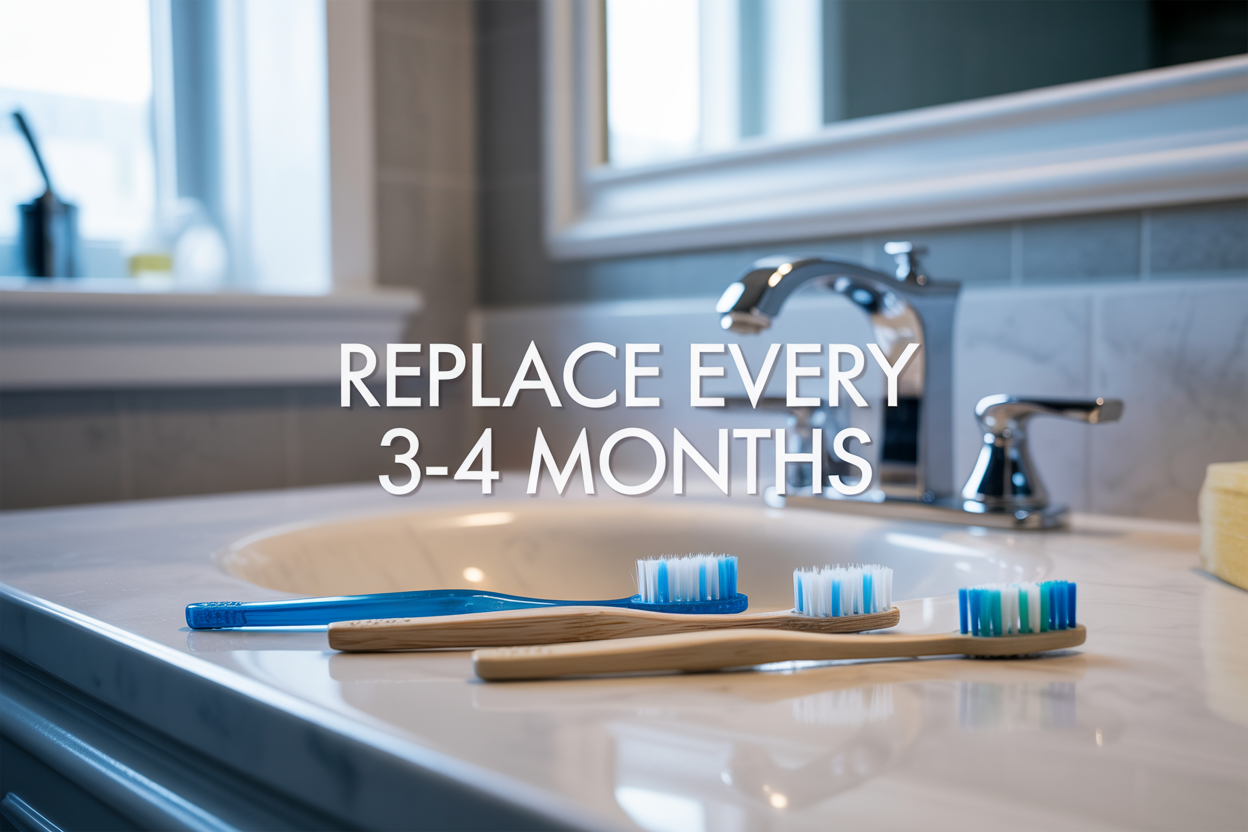
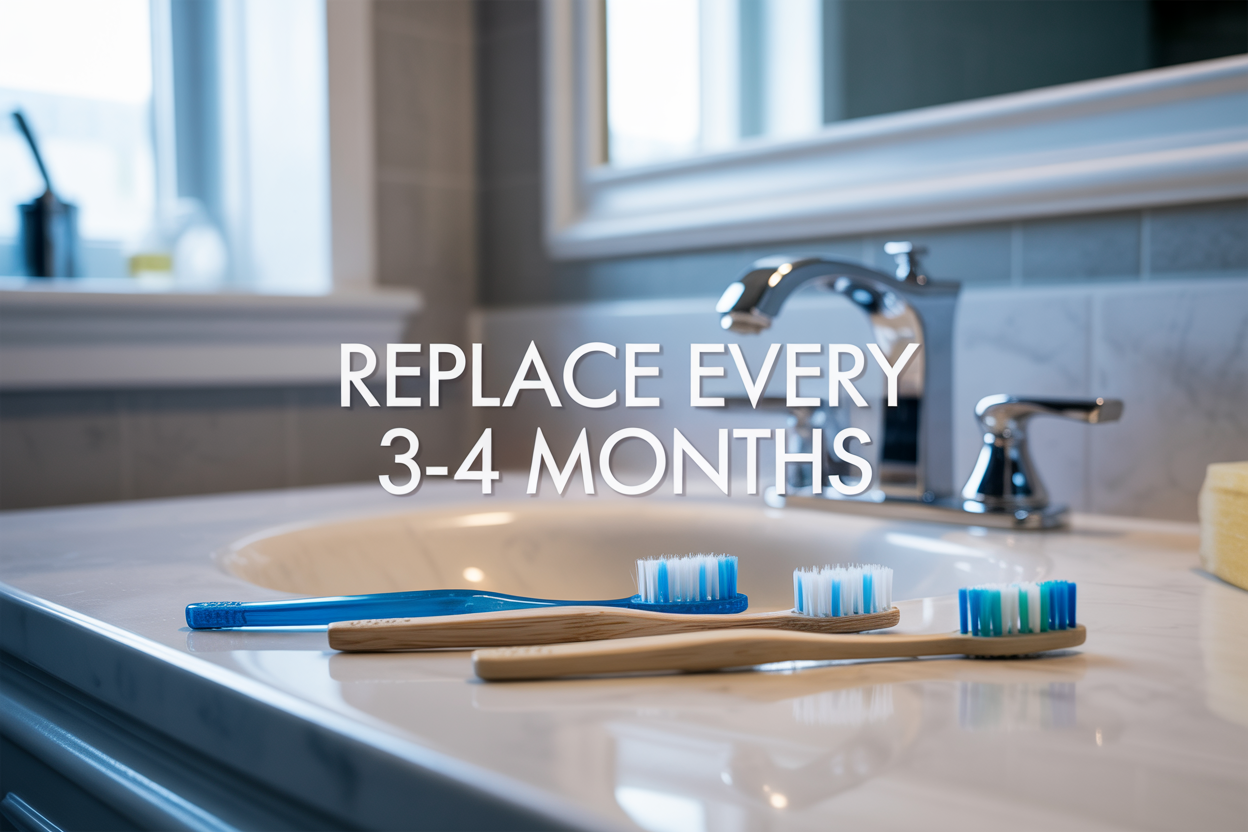
Most dental professionals agree that replacing your toothbrush every three to four months gives you the best balance of cleaning power and cost-effectiveness. The American Dental Association backs this timeline, and major health organizations like the Cleveland Clinic consistently recommend this schedule for maintaining proper oral hygiene.
This timeframe isn’t random. Research shows that toothbrush bristles begin losing their structural integrity after about 200 uses, which translates to roughly three months of twice-daily brushing. By the four-month mark, even the highest-quality toothbrush starts showing significant wear patterns that compromise its cleaning ability.
Your brushing technique also plays a role in this timeline. People who brush more aggressively might need to change their toothbrush closer to the three-month mark, while gentler brushers can often extend to four months without losing effectiveness.
Visual Indicators That Signal Immediate Replacement Needed
Several clear warning signs tell you when your toothbrush has reached the end of its useful life, regardless of how long you’ve been using it. Frayed or splayed bristles are the most obvious red flag. When bristles start bending outward or lose their straight, upright position, they can’t effectively remove plaque from teeth and gumline.
Discoloration is another major indicator. If your toothbrush bristles have changed from their original color to yellow, brown, or any other shade, bacteria and food particles have likely accumulated beyond what regular rinsing can address. This buildup can actually reintroduce harmful bacteria into your mouth during brushing.
Check for bristles that have become matted down or clumped together. Healthy bristles should maintain some flexibility and bounce back when pressed. When they stay compressed or feel mushy, they’ve lost the firmness needed for proper dental care.
How Bristle Wear Affects Cleaning Effectiveness
Worn bristles dramatically reduce your toothbrush’s ability to clean your teeth properly. Fresh bristles have rounded, polished tips that can navigate between teeth and along the gumline without causing damage. As these tips wear down, they become less effective at disrupting bacterial biofilm and removing food particles.
Studies demonstrate that worn toothbrushes remove up to 30% less plaque compared to new ones. This significant drop in cleaning power means you’re leaving behind more harmful bacteria, even if you’re brushing for the full recommended two minutes.
The flexibility of worn bristles also decreases over time. New bristles bend and conform to the contours of your teeth and gums, reaching into spaces that rigid, worn bristles simply can’t access. This loss of flexibility is particularly problematic for cleaning around brackets, crowns, or other dental work.
Damaged bristles can actually harm your gums and tooth enamel. Sharp, frayed edges created by wear can scratch delicate gum tissue and contribute to recession. This makes regular toothbrush replacement an important part of preventing both tooth decay and gum disease.
Health-Related Factors That Accelerate Replacement Needs

Post-illness toothbrush contamination and bacteria buildup
When you’re recovering from any illness, your toothbrush becomes a breeding ground for the same germs that made you sick. Viruses and bacteria can survive on toothbrush bristles for days or even weeks after you’ve recovered. This creates a real risk of reinfecting yourself or spreading illness to family members who might accidentally use your toothbrush.
The Cleveland Clinic recommends replacing your toothbrush immediately after recovering from strep throat, flu, cold, or any oral infection like thrush. Bacterial infections are particularly concerning because the warm, moist environment of your bathroom provides perfect conditions for these microorganisms to multiply. Even if you store your toothbrush properly, contaminated bristles can harbor harmful bacteria that compromise your oral hygiene efforts.
Viral infections like COVID-19, flu, or common colds also warrant immediate toothbrush replacement. Research shows that some viruses can remain viable on toothbrush surfaces longer than previously thought. Rather than risk prolonging your recovery or creating new health issues, investing in a fresh toothbrush after illness is a smart preventive measure.
Don’t wait until you feel completely better to make the switch. Replace your toothbrush as soon as you start feeling better or when your fever breaks. This simple step helps ensure your recovery stays on track and prevents the cycle of reinfection that can occur when using contaminated oral care tools.
Gum disease and sensitive oral conditions requiring frequent changes
People dealing with gingivitis, periodontitis, or other gum diseases need to change their toothbrush more frequently than the standard three-month recommendation. Diseased gums are more susceptible to bacterial invasion, and an old, worn toothbrush simply can’t provide the gentle yet effective cleaning these conditions require.
Worn bristles lose their ability to properly clean along the gum line where plaque buildup is most problematic. When you have gum disease, every brushing session matters for controlling inflammation and preventing further damage. Fresh, properly aligned bristles can better reach into gum pockets and remove the bacterial biofilm that feeds gum disease.
Monthly toothbrush replacement often works better for people with active gum disease. This change frequency ensures optimal cleaning performance when your gums need it most. Some dental professionals even recommend bi-weekly changes during acute phases of gum disease treatment.
Sensitive oral conditions like oral cancer treatment, autoimmune disorders affecting the mouth, or chronic dry mouth also benefit from more frequent toothbrush changes. These conditions can alter your mouth’s natural ability to fight off bacteria, making contaminated toothbrushes more dangerous than they would be for healthy individuals.
Immune system considerations for optimal oral hygiene
Your immune system’s strength directly impacts how often you should replace your toothbrush. People with compromised immune systems – whether from medical treatments, chronic conditions, or age – face higher risks from bacterial buildup on dental care tools.
Cancer patients undergoing chemotherapy, individuals with HIV/AIDS, organ transplant recipients, and those taking immunosuppressive medications should consider replacing their toothbrush every two to four weeks. Their bodies can’t fight off infections as effectively, making contaminated toothbrushes potentially dangerous sources of harmful bacteria.
Diabetes also affects toothbrush replacement timing. High blood sugar levels create an environment where bacteria thrive, and diabetics already face increased risks for gum disease and oral infections. More frequent toothbrush changes help maintain the aggressive oral hygiene routine that diabetic patients need.
Elderly individuals often benefit from shorter replacement cycles too. Age-related changes in immune function, medication side effects, and physical limitations that might affect brushing technique all contribute to increased bacterial risks. A monthly replacement schedule often works well for seniors, especially those in assisted living situations where cross-contamination risks are higher.
Pregnant women should also consider more frequent changes, particularly during the first and third trimesters when hormonal changes make gums more susceptible to inflammation and infection.
Different Toothbrush Types and Their Unique Replacement Schedules
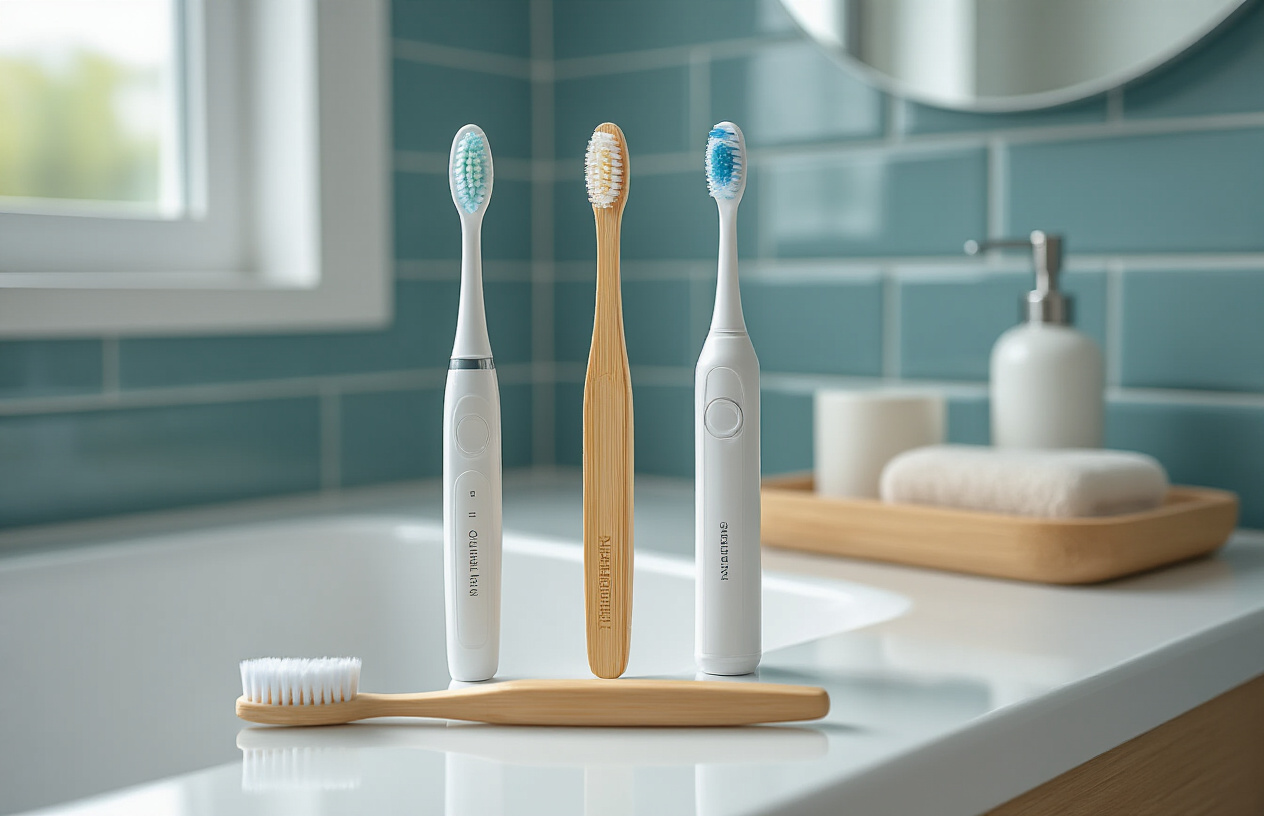
Manual toothbrush lifespan and replacement indicators
Manual toothbrushes typically last three to four months with regular use, but several visual cues can help you determine when it’s time for a replacement. The bristles tell the most important story – once they start fraying, bending outward, or losing their original shape, your toothbrush loses its effectiveness. Fresh bristles maintain their upright position and can properly clean between teeth and along the gumline.
Color-changing bristles on some manual toothbrushes serve as built-in replacement reminders. These special bristles fade from their original bright color to pale or white when the toothbrush reaches the end of its useful life. This visual indicator takes the guesswork out of replacement timing.
The handle condition also matters for oral hygiene effectiveness. Cracks, loose heads, or worn grip areas compromise your brushing technique and should prompt immediate replacement regardless of bristle condition.
Electric toothbrush head replacement frequency and cost considerations
Electric toothbrush heads require more frequent attention than manual toothbrushes, with most manufacturers recommending replacement every two to three months. The intense vibrating or rotating action wears down bristles faster than manual brushing motions.
Many electric toothbrush models include reminder systems – blue indicator bristles that fade to white, smartphone app notifications, or built-in timers that track usage. These features help maintain consistent replacement schedules without relying on memory alone.
| Brand | Replacement Frequency | Average Cost per Head | Annual Cost (4 heads) |
|---|---|---|---|
| Oral-B | 3 months | $8-12 | $32-48 |
| Sonicare | 3 months | $10-15 | $40-60 |
| Generic | 2-3 months | $4-8 | $16-32 |
Budget-conscious users can find compatible third-party heads that fit popular electric toothbrush models. These alternatives often cost 50-70% less than brand-name replacements while maintaining similar cleaning performance. However, always verify compatibility before purchasing to ensure proper fit and function.
Specialized toothbrushes for braces and dental work maintenance schedules
Orthodontic toothbrushes face unique challenges that accelerate wear patterns. The metal brackets, wires, and bands create additional friction points that bend and fray bristles more quickly than normal use. Most orthodontists recommend replacing these specialized toothbrushes every six to eight weeks instead of the standard three months.
Interproximal brushes used for cleaning between braces components need even more frequent replacement – typically every two to four weeks. These tiny brushes work hard to remove food particles and plaque from tight spaces, causing the bristles to wear down rapidly.
Post-surgical toothbrushes designed for sensitive gums and healing tissue should be replaced more conservatively. After dental procedures like extractions, implants, or gum surgery, use extra-soft bristles and replace them every four to six weeks to prevent bacteria buildup while tissues heal.
Patients with permanent retainers, bridges, or implants benefit from specialized cleaning tools that complement regular toothbrush use. Dental floss threaders, water flossers, and proxy brushes each have their own replacement schedules ranging from daily disposables to monthly replacements, depending on the specific product and usage intensity.
Warning Signs Your Toothbrush Needs Immediate Replacement
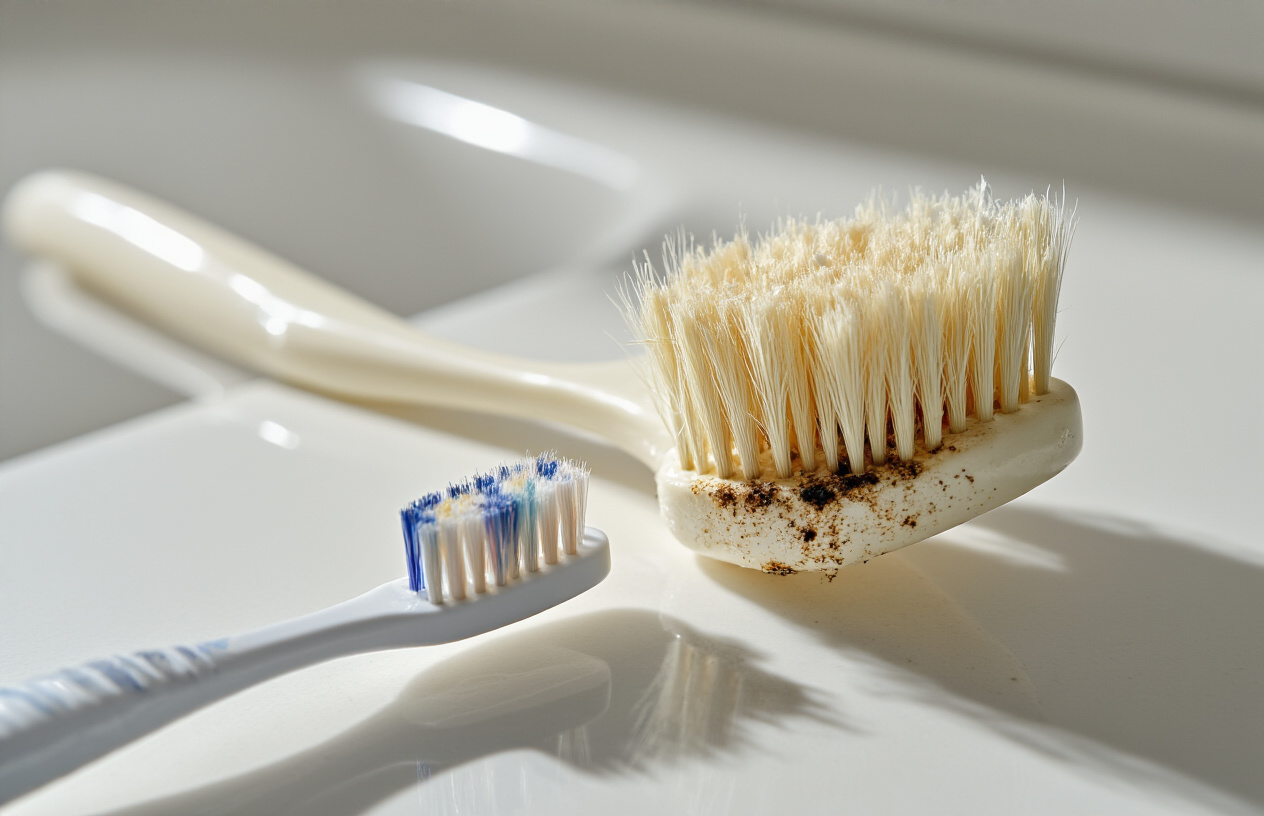
Frayed and Bent Bristles Reducing Plaque Removal Efficiency
When your toothbrush bristles start looking like they’ve been through a blender, it’s time to say goodbye. Frayed and bent bristles can’t effectively clean your teeth because they lose their ability to reach into tight spaces between teeth and along the gumline. Think of it like trying to sweep your floor with a broom that has all bent bristles – you’re just pushing dirt around instead of actually cleaning.
Healthy bristles should stand relatively straight and maintain their original shape. Once they start splaying outward or curling, they’re actually working against you. The bent bristles can even scratch your gums and tooth enamel, causing irritation and potential damage. Most dental professionals recommend checking your toothbrush every few weeks by looking at the bristles from the side – if you can see them bending outward past the head of the toothbrush, replacement is overdue.
Persistent Bad Breath Despite Regular Brushing Habits
Bad breath that won’t budge even with consistent oral hygiene could be a red flag that your toothbrush has become part of the problem. An old toothbrush harbors bacteria that you’re essentially reintroducing to your mouth with every brush. This creates a frustrating cycle where you’re trying to clean your mouth with a contaminated tool.
When bacteria build up on your toothbrush bristles, they can actually contribute to the very problems you’re trying to solve. The Cleveland Clinic notes that maintaining proper dental care includes using clean tools, and an old toothbrush definitely doesn’t qualify. If you notice persistent bad breath accompanied by other oral health issues, replacing your toothbrush should be your first step before considering other causes.
Recurring Oral Infections and Their Connection to Old Toothbrushes
Your toothbrush can become a breeding ground for harmful bacteria, yeast, and even viruses that cause recurring oral infections. If you’ve been dealing with repeated canker sores, gum infections, or other mouth issues, your toothbrush might be the culprit. Each time you brush with a contaminated toothbrush, you’re potentially reinfecting yourself.
This is especially important after you’ve been sick. Using the same toothbrush that you used while battling a cold, flu, or throat infection can lead to reinfection. Many people don’t realize that viruses and bacteria can survive on toothbrush bristles for days or even weeks. The moist environment of a bathroom provides perfect conditions for these microorganisms to thrive.
Unpleasant Odors and Discoloration Indicating Bacterial Growth
A funky smell coming from your toothbrush is never a good sign. Fresh toothbrushes shouldn’t have any odor beyond perhaps a slight scent from the bristle material. When you notice a musty, sour, or otherwise unpleasant smell, bacteria have moved in and made themselves at home.
Visual changes are equally telling. Discoloration of the bristles, especially darkening or unusual staining that doesn’t wash away, indicates bacterial or fungal growth. You might also notice a slimy feeling on the bristles or unusual residue that doesn’t rinse off easily. These signs mean your toothbrush has crossed the line from cleaning tool to potential health hazard.
Proper toothbrush storage helps prevent some of these issues, but once the damage is done, replacement is the only solution. Your oral hygiene routine should help your health, not compromise it.
Maximizing Toothbrush Performance Between Replacements

Proper storage techniques to prevent bacterial growth
Your toothbrush needs a clean, dry home to stay healthy between uses. After brushing, rinse your toothbrush thoroughly under hot tap water to remove toothpaste residue and debris. Shake off excess water and store it upright in a well-ventilated area where air can circulate freely around the bristles.
Never store a wet toothbrush in a closed container or travel case unless you’re actively traveling. These enclosed spaces create the perfect breeding ground for bacteria, mold, and yeast. The American Dental Association recommends keeping toothbrushes in an upright position and allowing them to air-dry completely between uses.
If you must use a toothbrush cover for travel, remove it as soon as you reach your destination. Some people prefer toothbrush holders with individual slots that keep brushes separated and upright. This setup prevents cross-contamination while ensuring proper airflow.
Thorough rinsing and drying methods for longevity
The key to extending your toothbrush life lies in your post-brushing routine. Rinse your toothbrush under hot running water both before and after each use. The pre-rinse softens bristles and removes any accumulated bacteria, while the post-rinse eliminates toothpaste and food particles that could harbor germs.
Don’t just give it a quick splash. Hold the toothbrush under the water stream for 10-15 seconds, gently running your thumb over the bristles to ensure complete cleaning. Some dental professionals suggest occasionally soaking your toothbrush in an antibacterial mouthwash for extra sanitization, though this isn’t necessary for daily oral hygiene maintenance.
After rinsing, give your toothbrush a firm shake to remove excess moisture. Stand it upright in a holder or cup with the head pointing up. This position allows gravity to help water drain away from the bristles and prevents pooling that encourages bacterial growth.
Avoiding contamination from family members and shared spaces
Family bathrooms present unique challenges for maintaining clean toothbrush storage. Never let toothbrush heads touch each other, as this creates an easy pathway for bacteria and viruses to spread between family members. When someone in your household gets sick, their toothbrush becomes a potential source of reinfection.
Create designated spaces for each person’s toothbrush. Color-coded holders or labeled slots work well for large families. Keep children’s toothbrushes separate from adult ones, especially since kids often have less developed brushing techniques and may harbor more oral bacteria.
Watch out for bathroom aerosols too. Every toilet flush releases microscopic particles into the air, and these can settle on nearby surfaces, including toothbrush bristles. Store toothbrushes as far from the toilet as possible, ideally in a medicine cabinet or covered holder.
Replace toothbrushes immediately after anyone in your family recovers from a cold, flu, or other illness. The Cleveland Clinic specifically recommends this practice to prevent reinfection and cross-contamination among household members.
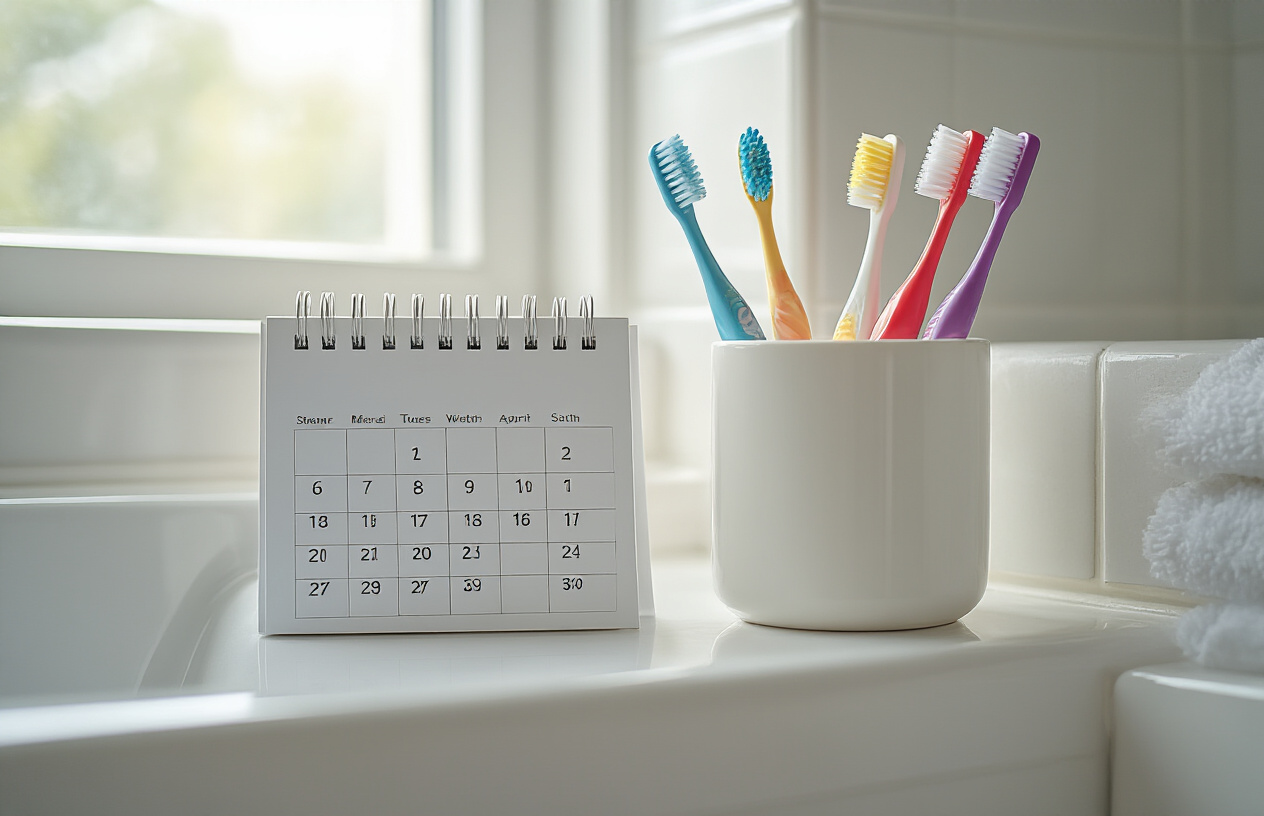
Most dental experts agree that swapping out your toothbrush every three to four months keeps your oral hygiene on track. But your personal health situation might mean you need fresh bristles more often – especially after being sick or if you have gum disease. Electric toothbrush heads and specialty brushes each come with their own timeline, so check what works best for your specific type.
Keep an eye out for frayed bristles, funky smells, or that weird film that won’t wash off – these are dead giveaways that it’s time for a new brush. Between replacements, store your toothbrush properly and give it a good rinse after each use to keep it working its best. Your mouth does so much for you every day, so giving it a fresh, clean toothbrush regularly is one of the easiest ways to return the favor.