toothbrush

Your toothbrush is the foundation of good dental care, but many people don’t realize they might be using the wrong type or brushing incorrectly. This guide is for anyone who wants to improve their oral hygiene routine and get the most out of their daily brushing.
We’ll help you decide between an electric toothbrush and manual toothbrush based on your specific needs and budget. You’ll also learn the proper brushing technique that dentists recommend, plus essential toothbrush maintenance tips to keep your brush clean and know when it’s time for toothbrush replacement. Finally, we’ll share practical dental care tips to take your oral care beyond just brushing your teeth.
Choose the Right Toothbrush Type for Maximum Cleaning Power
Manual vs Electric Toothbrushes: Performance Comparison
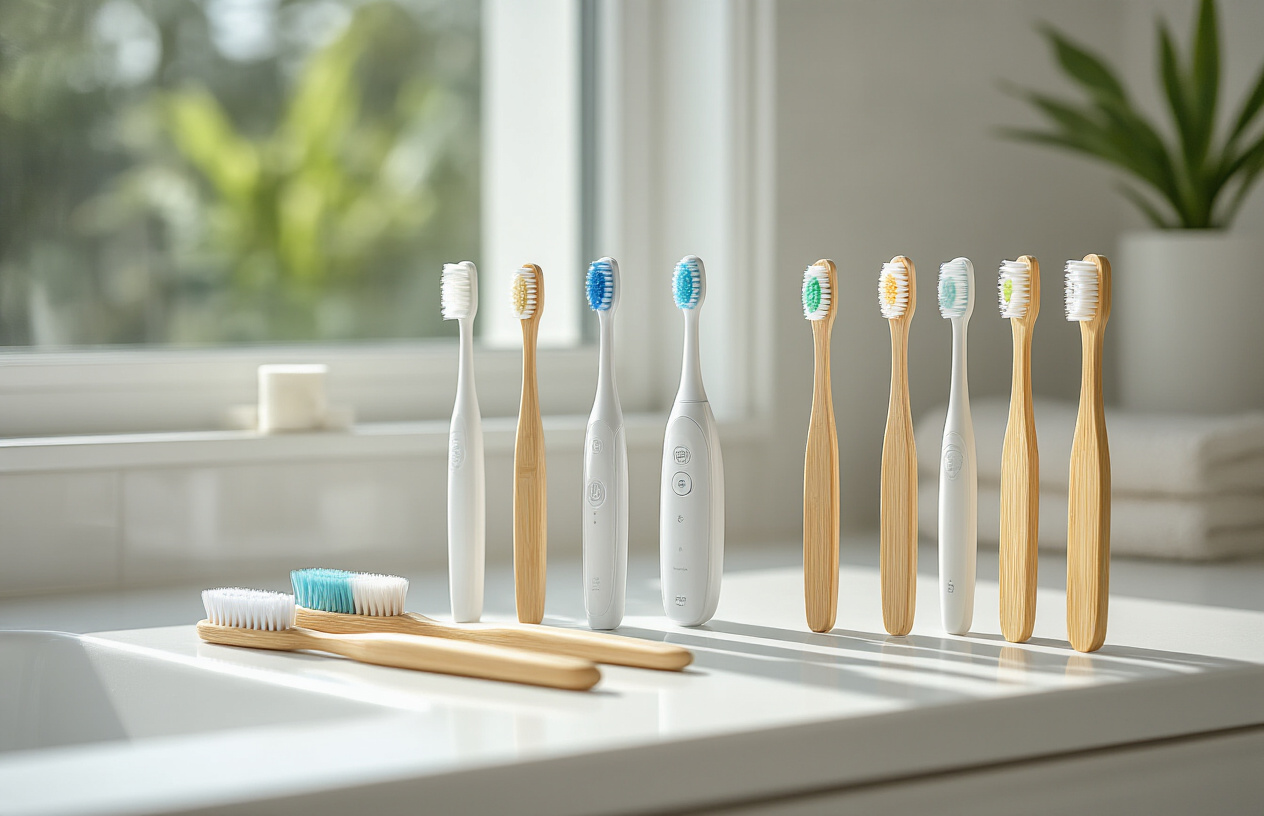
The debate between manual and electric toothbrushes has been going on for years, but the science is pretty clear. Electric toothbrushes consistently outperform their manual counterparts in removing plaque and reducing gingivitis. Studies show that electric toothbrushes remove up to 21% more plaque than manual brushing, making them the superior choice for most people.
Electric toothbrushes work through rapid vibrations or rotations that break up bacterial biofilm more effectively than manual brushing alone. The consistent motion eliminates the guesswork of proper brushing technique, while built-in timers ensure you brush for the recommended two minutes. Many models also feature pressure sensors that alert you when you’re brushing too hard, protecting your enamel and gums from damage.
Manual toothbrushes still have their place, especially for travel or budget-conscious consumers. They’re also perfectly adequate when used with proper technique and consistency. The key advantage lies in their simplicity and the complete control they give you over pressure and movement.
| Feature | Electric Toothbrush | Manual Toothbrush |
|---|---|---|
| Plaque Removal | Superior (21% more effective) | Good with proper technique |
| Ease of Use | Effortless | Requires proper technique |
| Cost | Higher initial investment | Budget-friendly |
| Portability | Bulkier with charging needs | Compact and travel-friendly |
| Battery/Power | Requires charging | None needed |
Bristle Selection: The Foundation of Effective Cleaning
Your toothbrush bristles play a crucial role in both cleaning effectiveness and oral health protection. The American Dental Association strongly recommends soft-bristle toothbrushes for virtually everyone, and there are compelling reasons behind this guidance.
Soft bristles are gentle enough to clean below the gum line without causing irritation or recession. They bend and flex to reach into crevices and contours that harder bristles might skip over or damage. Despite being gentler, soft bristles are just as effective at removing plaque when used properly.
Medium and hard bristles might seem like they’d clean better, but they actually cause more harm than good. These stiffer bristles can wear away tooth enamel over time, leading to sensitivity and increased cavity risk. They can also damage delicate gum tissue, causing recession that exposes tooth roots and creates pockets where bacteria thrive.
The only exception might be people with limited dexterity who struggle to apply adequate pressure with soft bristles, but even then, an electric toothbrush with soft bristles would be a better solution than switching to harder bristles.
Soft, Medium, and Hard Bristles: Which Protects Your Enamel Best
Soft bristle toothbrushes emerge as the clear winner when it comes to enamel protection. Your tooth enamel is the hardest substance in your body, but it’s not indestructible. Once lost, enamel doesn’t regenerate, making protection your top priority.
Research consistently shows that medium and hard bristles can cause microscopic scratches on enamel surfaces. These tiny grooves weaken the enamel structure and create spaces where bacteria can hide, leading to decay and staining. Over months and years, this damage accumulates, resulting in notched teeth, increased sensitivity, and a higher risk of cavities.
Soft bristles work differently. They compress against tooth surfaces and gum lines, conforming to the natural contours of your mouth. This flexibility allows them to sweep away plaque and bacteria without abrading the enamel. The cleaning action comes from the bristle movement, not from scrubbing force.
People often worry that soft bristles won’t clean as effectively, but studies prove otherwise. When used with proper technique and fluoride toothpaste, soft bristle toothbrushes remove plaque just as well as harder alternatives while preserving your enamel for life.
Head Size and Shape: Reaching Every Corner of Your Mouth
The size and shape of your toothbrush head directly impact how thoroughly you can clean your teeth. Most adults benefit from a compact head that measures about half an inch wide and one inch tall. This size allows easy access to back molars and tight spaces between teeth while providing enough bristle coverage for efficient cleaning.
Larger heads might seem more efficient, but they often can’t navigate around your mouth’s natural curves and contours. They struggle to reach the backs of molars, the inside surfaces of front teeth, and the areas where teeth meet gums. Smaller heads offer superior maneuverability and can angle into spaces that larger brushes simply can’t access.
Head shape matters too. Oval or slightly tapered heads tend to work better than perfectly rectangular ones. The curved edges help the brush follow the natural arch of your dental structure, while tapered designs can slip between teeth more easily.
For children or adults with smaller mouths, even more compact heads are available. The goal is finding the largest head that still allows comfortable access to every surface of every tooth. If you find yourself struggling to reach certain areas or having to open your mouth uncomfortably wide, try switching to a smaller head size.
Remember that the back molars are where most cavities and gum disease start, so your toothbrush must be able to clean these areas effectively. A properly sized head makes this possible without strain or discomfort.
Master Proper Brushing Techniques for Healthier Teeth
Two-Minute Rule: Why Timing Matters for Plaque Removal
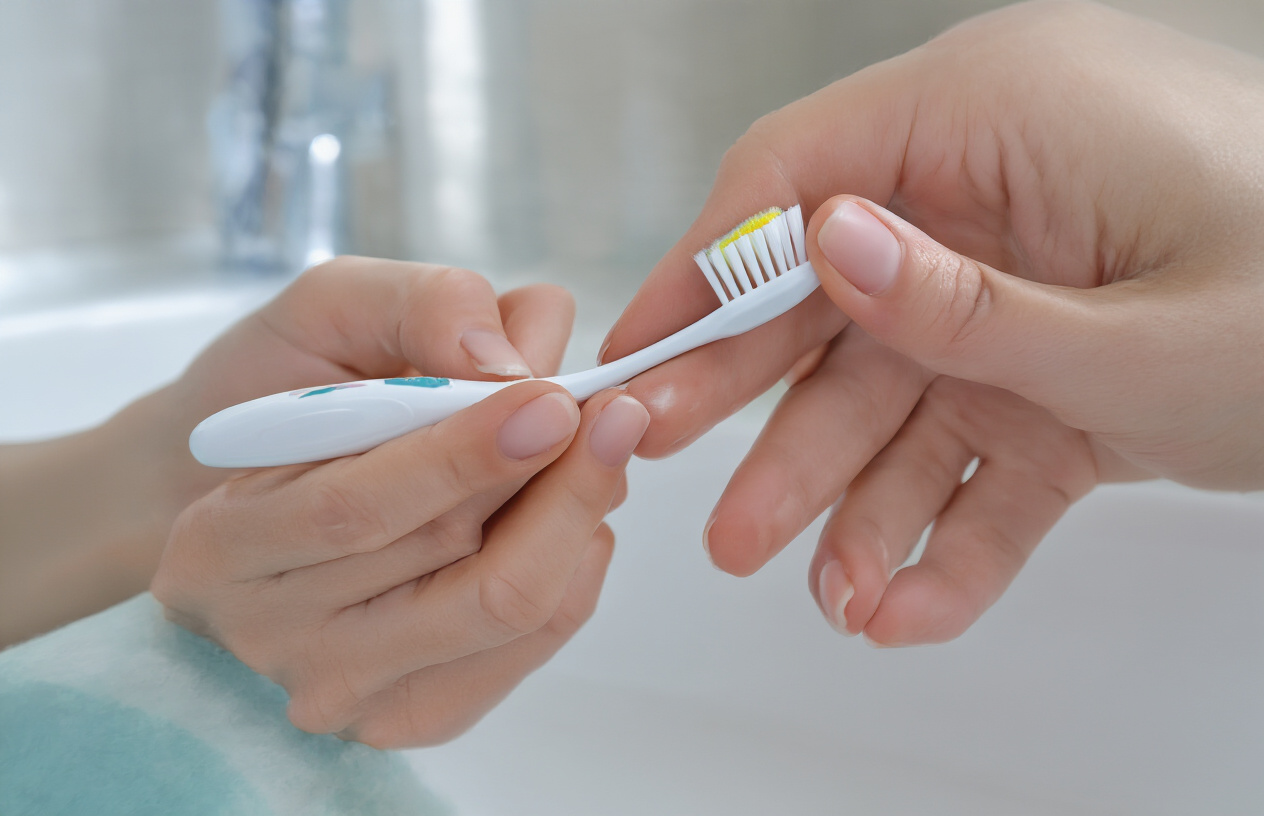
The magic number for brushing teeth correctly is two minutes – not thirty seconds, not five minutes, but exactly 120 seconds. This timing isn’t arbitrary; dental research shows that plaque removal becomes significantly more effective when you give your toothbrush enough time to work. Most people brush for only 30-45 seconds, leaving harmful bacteria and food particles behind.
During the first minute of brushing, your toothbrush loosens surface debris and begins breaking down plaque biofilm. The second minute allows your toothpaste’s active ingredients to penetrate deeper and complete the cleaning process. Using an electric toothbrush can make this timing even more effective, as the vibrating bristles provide consistent cleaning action throughout the full two minutes.
To track your brushing time accurately, try humming a favorite song, counting to 120, or using your phone’s timer. Many modern electric toothbrushes include built-in timers that pulse every 30 seconds, helping you divide your mouth into quadrants for thorough coverage.
Correct Angle and Pressure: Preventing Gum Damage While Cleaning
Your toothbrush should meet your teeth at a 45-degree angle, pointing toward your gumline. This positioning allows the bristles to slip slightly under the gum edge, removing plaque where it commonly accumulates. Whether you’re using a manual toothbrush or electric toothbrush, this angle remains crucial for effective cleaning.
Pressure is equally important – and less is definitely more. Your grip should be gentle, similar to holding a pencil. Aggressive brushing doesn’t clean better; it actually damages tooth enamel and causes gum recession. Soft bristle toothbrushes work best because they clean effectively without causing harm.
Signs you’re brushing too hard include:
- Frayed toothbrush bristles after just a few weeks
- Bleeding gums during or after brushing
- Tooth sensitivity to hot or cold foods
- Receding gumlines
If you notice these symptoms, lighten your touch immediately. Your gums should feel refreshed after brushing, not sore or irritated.
Step-by-Step Brushing Pattern for Complete Coverage
Start with the outer surfaces of your upper teeth, working systematically from back to front on one side, then repeating on the other side. This methodical approach prevents you from missing spots and ensures even cleaning time for all areas.
Complete brushing sequence:
- Upper outer surfaces: Begin at your back molars, brush in small circular motions
- Upper inner surfaces: Pay special attention to the areas behind your front teeth
- Upper chewing surfaces: Use back-and-forth motions on molars and premolars
- Lower outer surfaces: Mirror the same pattern you used for upper teeth
- Lower inner surfaces: Don’t rush through these hard-to-reach spots
- Lower chewing surfaces: Complete the pattern with thorough coverage
- Tongue cleaning: Gently brush your tongue from back to front
Spend approximately 20 seconds on each section to reach your two-minute total. This systematic approach works whether you’re using a manual toothbrush or electric toothbrush, though electric models may require slightly less manual movement.
Common Brushing Mistakes That Harm Your Oral Health
Many people unknowingly sabotage their oral hygiene routine with these frequent errors. Brushing immediately after eating acidic foods or drinks weakens tooth enamel temporarily, making it more susceptible to damage. Wait at least 30 minutes after consuming citrus fruits, soda, or wine before brushing.
Using the same toothbrush for months is another widespread mistake. Toothbrush replacement should happen every three to four months, or sooner if bristles become frayed. Worn bristles can’t clean effectively and may harbor bacteria.
Other damaging habits include:
- Storing wet toothbrushes in closed containers (promotes bacteria growth)
- Sharing toothbrushes with family members (spreads germs)
- Rinsing immediately after brushing (washes away protective fluoride)
- Brushing only in the morning or only at night
- Ignoring your tongue during your oral care routine
Many people also make the mistake of thinking harder bristles clean better. Medium and hard bristles can actually scratch tooth enamel and irritate gums. Dental professionals consistently recommend soft bristle toothbrushes because they remove plaque effectively without causing damage.
The key to proper brushing technique lies in consistency and patience. Your toothbrush is a tool that requires proper handling to deliver maximum benefits for your dental care routine.
Maintain Your Toothbrush for Optimal Hygiene
Replacement Schedule: When to Throw Out Your Old Brush
Your toothbrush isn’t meant to last forever, and knowing when to replace it can make the difference between effective cleaning and just going through the motions. Dental professionals recommend replacing both manual toothbrush and electric toothbrush heads every three to four months, but several factors can shorten this timeline.
Watch for these telltale signs that it’s time for a new brush:
- Bristles start to fray or bend outward
- The bristles lose their original color or become discolored
- You’ve been sick with a cold, flu, or oral infection
- The brush head feels less firm during use
Soft bristle toothbrush options tend to wear out faster than medium bristles, but they’re gentler on your gums. If you notice your electric toothbrush head isn’t vibrating as smoothly or seems to catch on your teeth, that’s another clear indicator for replacement. Some people need to replace their brushes every six to eight weeks, especially if they brush vigorously or have gum disease.
Proper Storage Methods to Prevent Bacteria Growth
Where and how you store your toothbrush directly impacts your oral hygiene routine. Bacteria and mold love damp, enclosed spaces, so proper storage becomes critical for maintaining a clean brush.
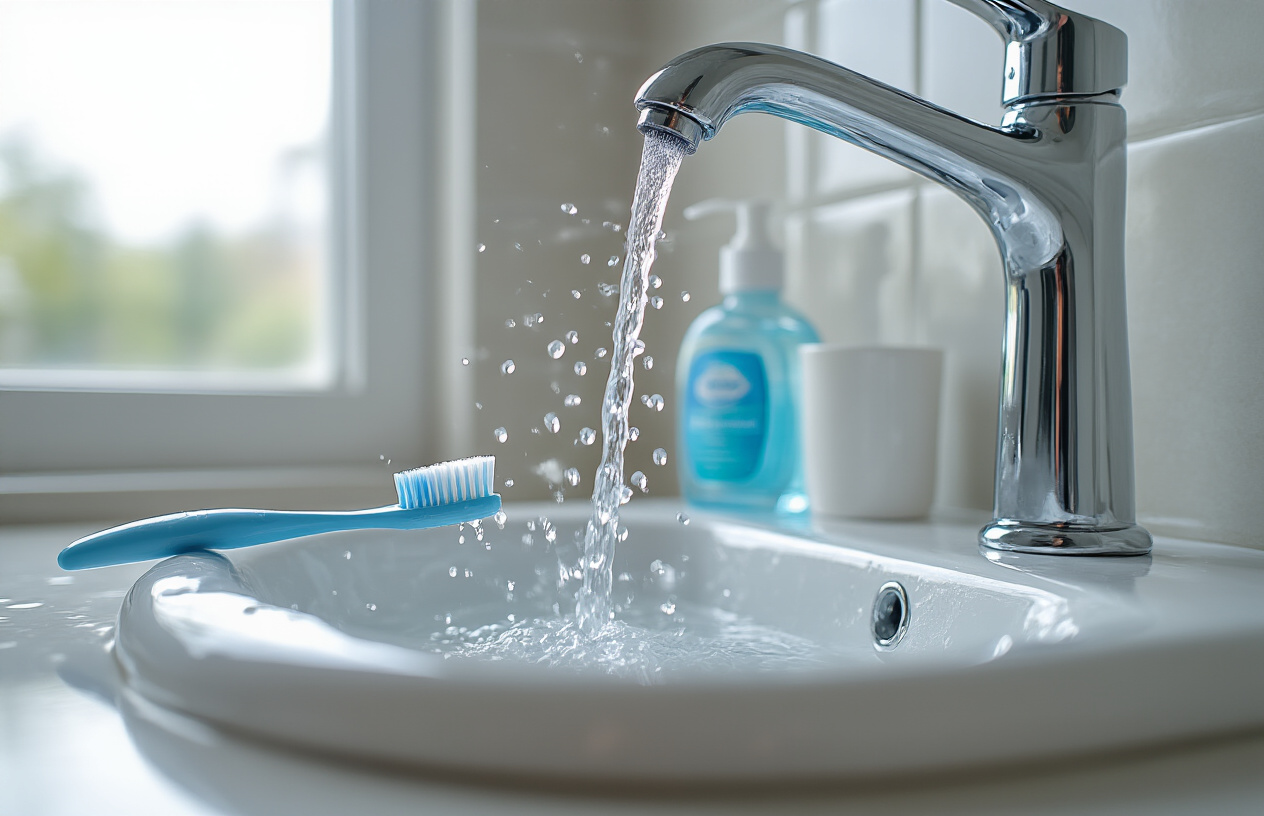
Always rinse your toothbrush thoroughly after use and shake off excess water. Stand it upright in a well-ventilated area where air can circulate freely around the bristles. Avoid covering wet brushes with caps or storing them in closed containers immediately after use.
Key storage principles:
- Keep toothbrushes separated to prevent cross-contamination
- Choose holders with drainage holes
- Place storage areas away from toilets to avoid airborne bacteria
- Replace toothbrush holders regularly and clean them weekly
For families sharing bathroom space, individual holders work better than communal cups. The bristles should never touch other toothbrushes, and each person should have designated storage space.
Cleaning and Sanitizing Your Toothbrush Between Uses
Basic rinsing isn’t always enough to keep your toothbrush truly clean. Regular sanitizing helps eliminate bacteria that can compromise your dental care tips routine and overall oral health.
Effective cleaning methods include:
- Soaking in antibacterial mouthwash for 15 minutes
- Using denture cleaning tablets dissolved in water
- Placing the head in boiling water for 3-5 seconds
- UV sanitizers designed specifically for toothbrush maintenance
Weekly deep cleaning prevents buildup of bacteria and extends your brush’s life. Hydrogen peroxide solutions also work well – just soak the head for a few minutes, then rinse thoroughly. Avoid using harsh chemicals or putting your toothbrush in the microwave or dishwasher, as these can damage the bristles.
Travel Care Tips for Keeping Your Brush Fresh
Traveling presents unique challenges for toothbrush maintenance, but with the right approach, you can keep your brush clean and effective on the road.
Always let your toothbrush air-dry completely before packing it away. If you must pack a damp brush, use a ventilated travel case or wrap it in a clean, dry cloth rather than sealing it in plastic. Pack a backup brush for longer trips in case your primary one gets damaged or contaminated.
Travel essentials:
- Ventilated toothbrush covers with air holes
- Separate storage for each family member’s brush
- Travel-sized antibacterial mouthwash for cleaning
- Quick-dry towels for emergency drying
When staying in hotels, avoid using provided glasses for rinsing or storage. Bring your own cup or rinse directly from the tap. Keep your toothbrush away from hotel surfaces and consider packing disposable toothbrushes for very short trips where proper brushing technique matters more than brush quality.
Enhance Your Oral Care Routine Beyond Basic Brushing
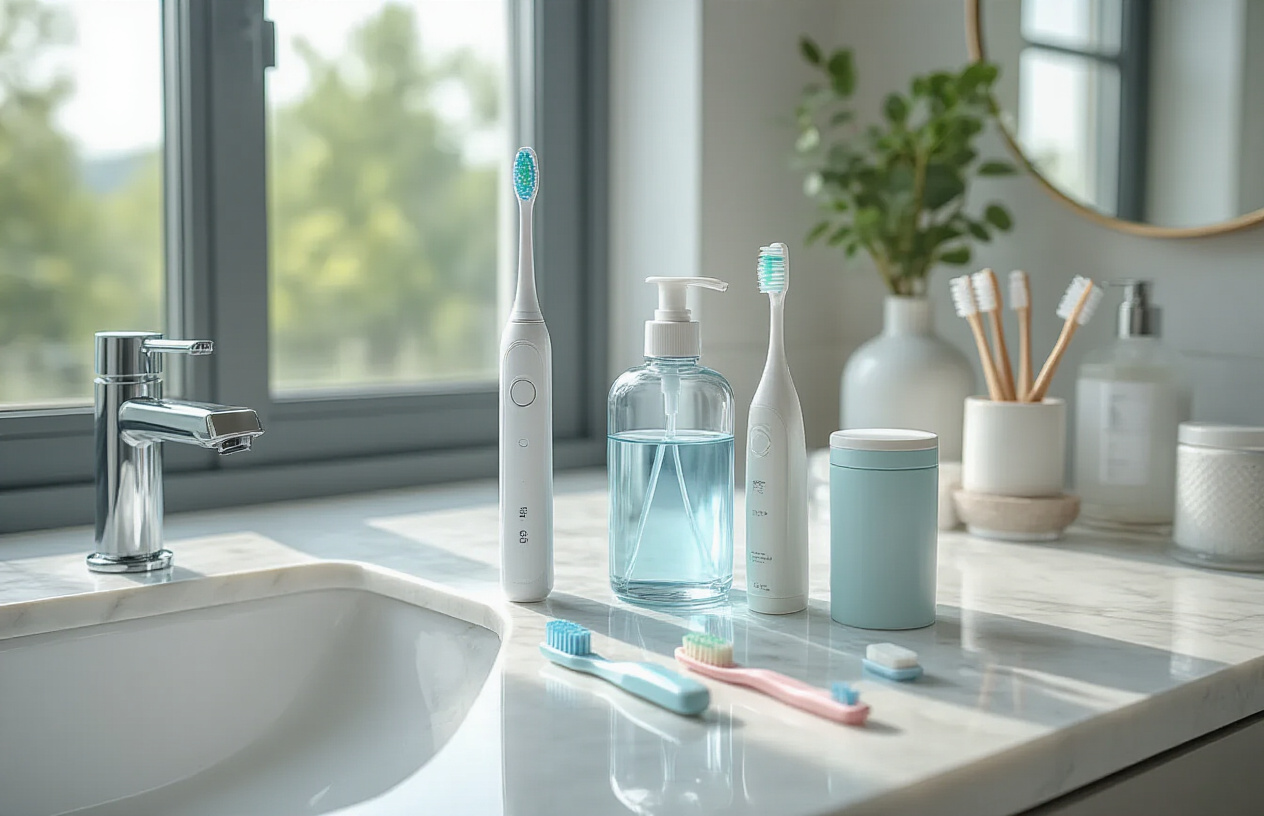
Pairing Toothpaste Types with Different Brush Styles
Your toothbrush type plays a crucial role in how different toothpastes perform. Electric toothbrushes work exceptionally well with fluoride toothpastes that contain mild abrasives, as the rapid bristle movement helps distribute the paste evenly across teeth surfaces. The consistent motion breaks down plaque more effectively when combined with whitening toothpastes, though you should use these sparingly to avoid enamel wear.
Manual toothbrushes require different considerations. Gel toothpastes tend to foam less than traditional paste formulations, making them ideal for manual brushing since you can better control the cleaning action. Sensitive teeth formulations pair beautifully with soft bristle toothbrushes, providing gentle yet thorough cleaning without causing irritation.
For those using specialized toothbrushes like sonic or ultrasonic models, tartar control toothpastes work particularly well because the high-frequency vibrations help activate the anti-tartar ingredients. Natural or charcoal toothpastes often perform better with manual brushing techniques, as you can adjust pressure and motion to compensate for their typically lower foam production.
Timing Your Brushing with Meals and Other Activities
Smart timing transforms your oral hygiene routine from good to exceptional. Wait at least 30-60 minutes after eating before brushing, especially after consuming acidic foods like citrus fruits, wine, or soda. These foods temporarily soften tooth enamel, and immediate brushing can actually cause microscopic damage to your teeth.
Morning brushing should happen before breakfast when possible. This removes overnight bacterial buildup and provides fluoride protection for your teeth before they encounter food and drinks. If you prefer post-breakfast brushing, rinse with water first, wait the recommended time, then brush with your preferred toothbrush type.
Evening brushing timing matters too. Brush at least two hours before bedtime to allow your saliva to neutralize any remaining toothpaste ingredients. This gives your mouth time to return to its natural pH balance. For optimal results, avoid eating or drinking anything except water after your final brushing session.
Consider your medication schedule as well. Some medications affect saliva production or taste, which can impact your brushing effectiveness. Time your oral care routine around these medications for the best results.
Combining Brushing with Flossing and Mouthwash
The sequence of your oral care routine dramatically affects its effectiveness. Start with flossing to loosen debris between teeth, making your toothbrush more effective at removing loosened particles. This approach maximizes the cleaning power of both your manual toothbrush and electric toothbrush by ensuring they can reach areas that flossing has already disrupted.
Follow flossing with proper brushing technique using your chosen toothbrush. The mechanical action of brushing distributes fluoride and other beneficial ingredients from your toothpaste into the spaces that flossing has opened up. This creates a synergistic effect where each step enhances the others.
Mouthwash comes last in this sequence. Using it after brushing allows the active ingredients to reach all surfaces your toothbrush has cleaned, providing an additional layer of protection. Therapeutic mouthwashes containing fluoride or antimicrobial agents work best when they can contact clean tooth surfaces.
For people with specific needs, this routine can be modified. Those with braces might benefit from pre-brushing rinses to help loosen food particles, making both flossing and brushing more effective around orthodontic hardware.
Special Considerations for Braces, Implants, and Dental Work
Orthodontic appliances require modified brushing approaches. Traditional manual toothbrushes struggle around brackets and wires, making electric toothbrushes with specialized orthodontic heads valuable tools. These smaller heads navigate around hardware more easily while maintaining effective cleaning action.
Brush at a 45-degree angle to reach under wires and around brackets. Spend extra time on each tooth, ensuring you clean above, below, and around each bracket. Interdental brushes complement your regular toothbrush by reaching spaces your standard bristles cannot access.
Dental implants need gentle care to protect the surrounding gum tissue. Soft bristle toothbrushes prevent irritation around implant sites while still providing thorough cleaning. Electric toothbrushes with pressure sensors help prevent excessive force that could damage sensitive implant areas.
Crowns, bridges, and veneers benefit from consistent, gentle cleaning. These restorations don’t decay like natural teeth, but the margins where they meet your natural teeth remain vulnerable to plaque buildup. Focus your brushing technique on these junction areas while being careful not to dislodge temporary work.
Professional Recommendations for Specific Oral Health Conditions
Gingivitis patients should prioritize soft bristle toothbrushes to avoid further gum irritation while still removing plaque effectively. Electric toothbrushes often prove superior for gingivitis management because they provide consistent, gentle pressure and superior plaque removal compared to manual techniques.
People with receding gums need specialized care. Ultra-soft toothbrushes combined with gentle, circular motions help clean effectively without accelerating gum recession. Avoid aggressive horizontal scrubbing motions that can worsen the condition.
Dry mouth sufferers benefit from frequent brushing with fluoride toothpaste using either manual or electric toothbrushes. The reduced saliva production means less natural cleaning action, making proper brushing technique even more critical. Consider brushing after meals and snacks, not just morning and evening.
Periodontal disease patients require intensive oral care routines. Electric toothbrushes with specialized periodontal heads can reach deeper into gum pockets while maintaining gentle pressure. Your dental professional might recommend specific toothbrush features like timers and pressure sensors to optimize your home care routine.
Those with enamel erosion should use soft bristles exclusively and avoid aggressive brushing immediately after consuming acidic foods or drinks. Fluoride toothpaste helps remineralize weakened enamel when used consistently with proper brushing techniques.
Finding the perfect toothbrush and using it the right way can make a huge difference in your oral health. The key is picking the right type for your needs, mastering the proper brushing technique, and keeping your toothbrush clean and fresh. Don’t forget to replace it every three to four months or when the bristles start looking worn out.
Your toothbrush is just one piece of the puzzle when it comes to taking care of your teeth and gums. Pair your daily brushing with flossing, mouthwash, and regular dental checkups to keep your smile bright and healthy. Start making these small changes today, and your mouth will thank you for years to come.
