Your electric toothbrush works hard every day to keep your teeth clean, but like any tool, it won’t last forever. Most people don’t think about when to replace their electric toothbrush until it stops working completely – but waiting that long can actually hurt your oral hygiene and dental care routine.
This guide is for anyone who uses an electric toothbrush and wants to get the most out of their investment while maintaining optimal dental health. We’ll cover the clear warning signs that your toothbrush needs immediate attention, walk through the recommended replacement frequency for different components, and share practical maintenance tips that can extend your device’s lifespan without breaking the bank.
Signs Your Electric Toothbrush Needs Immediate Replacement
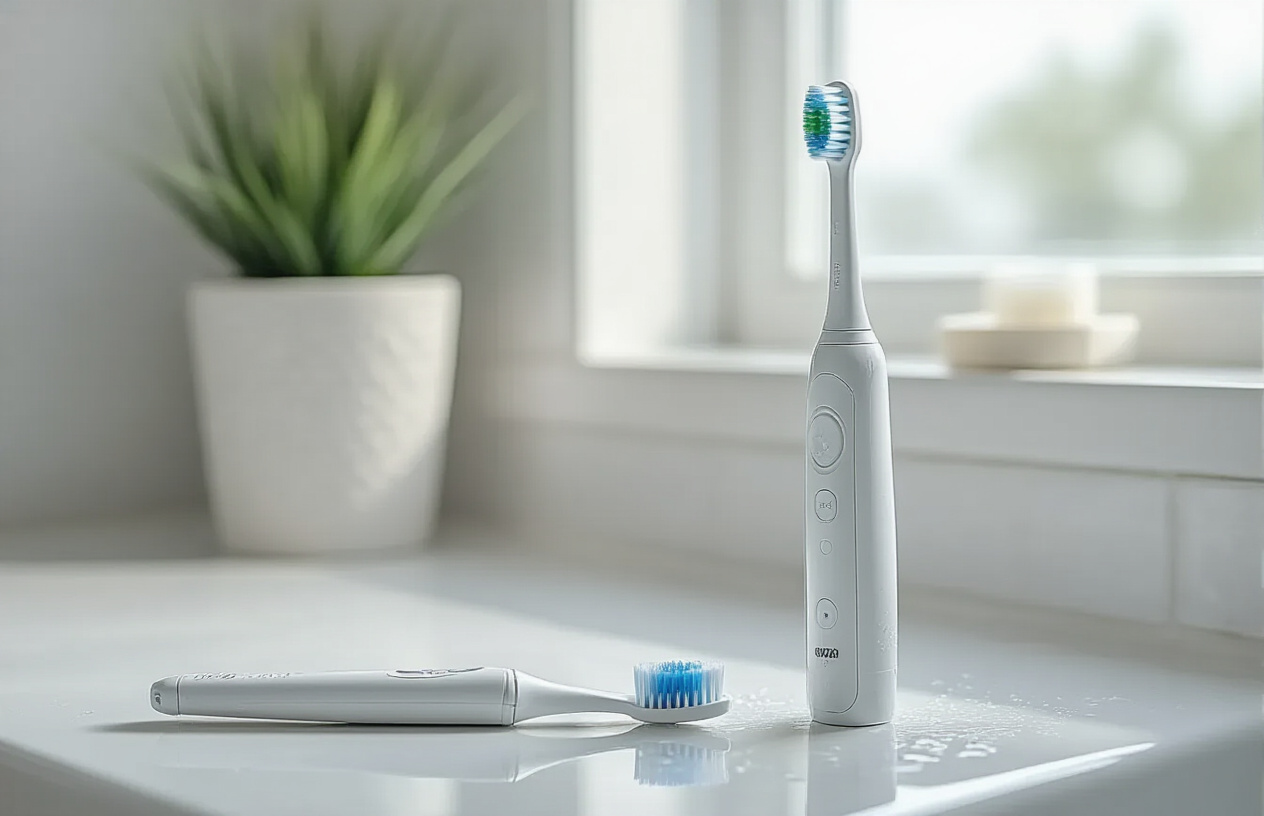
Frayed or Splayed Bristles That Reduce Cleaning Effectiveness
When bristles start to bend outward or lose their original shape, your electric toothbrush can’t clean your teeth properly anymore. Fresh bristles stand upright and reach into the spaces between your teeth and along the gumline. Once they become splayed, they miss plaque and bacteria that straight bristles would normally remove.
You’ll notice frayed bristles look like a worn-out paintbrush – the tips fan out instead of pointing in the same direction. This happens naturally over time as the bristles flex against your teeth and gums during brushing. Most dental professionals recommend checking your brush head weekly for signs of wear.
The cleaning power drops significantly when bristles lose their shape. Research shows that worn bristles remove up to 30% less plaque compared to new ones. If you see bristles bending outward or the brush head looks wider than when you first got it, replacement time has arrived.
Weakened Battery Performance and Shorter Usage Time
A declining battery is one of the clearest signs your electric toothbrush needs attention. New electric toothbrushes typically run for 7-10 days on a single charge with twice-daily use. When you find yourself charging every 2-3 days, the battery is losing its ability to hold power.
Watch for these battery warning signs:
- The toothbrush stops mid-brushing session
- Vibrations feel weaker than usual
- Charging takes much longer than before
- The device won’t hold a charge overnight
Some electric toothbrush models have built-in battery indicators that change color or flash when power runs low. Pay attention to these signals, as they help you track battery health over time.
Visible Wear on the Brush Head and Handle
Physical damage to your electric toothbrush affects both performance and hygiene. Cracks in the brush head can harbor bacteria that regular rinsing won’t remove. The plastic around the connection point between the head and handle often shows wear first, developing small gaps where moisture can collect.
Look for these visible signs of wear:
- Cracks or chips in the plastic housing
- Loose connections between parts
- Discoloration that won’t clean off
- Rough or pitted surfaces on the handle
The brush head attachment mechanism also wears down with regular use. If the head wobbles or doesn’t click securely into place, bacteria can build up in the loose connection area.
Unusual Noises or Vibrations During Operation
Your electric toothbrush should run smoothly with consistent vibrations. Strange sounds often signal internal component failure or debris buildup that affects the motor. A healthy electric toothbrush makes a steady humming sound during operation.
Warning sounds include:
- Grinding or scraping noises
- Intermittent stuttering in the vibration pattern
- High-pitched squealing sounds
- Rattling when the toothbrush is on
These noises usually mean the motor is working harder to maintain proper speed, which can lead to complete failure if ignored. Water damage from improper storage or cleaning can also cause unusual sounds as moisture affects the internal components.
Changes in vibration intensity without adjusting settings indicate mechanical problems. If your toothbrush suddenly feels much stronger or weaker than normal, the motor may be failing and needs immediate replacement for effective oral hygiene maintenance.
Recommended Replacement Timeline for Electric Toothbrush Components
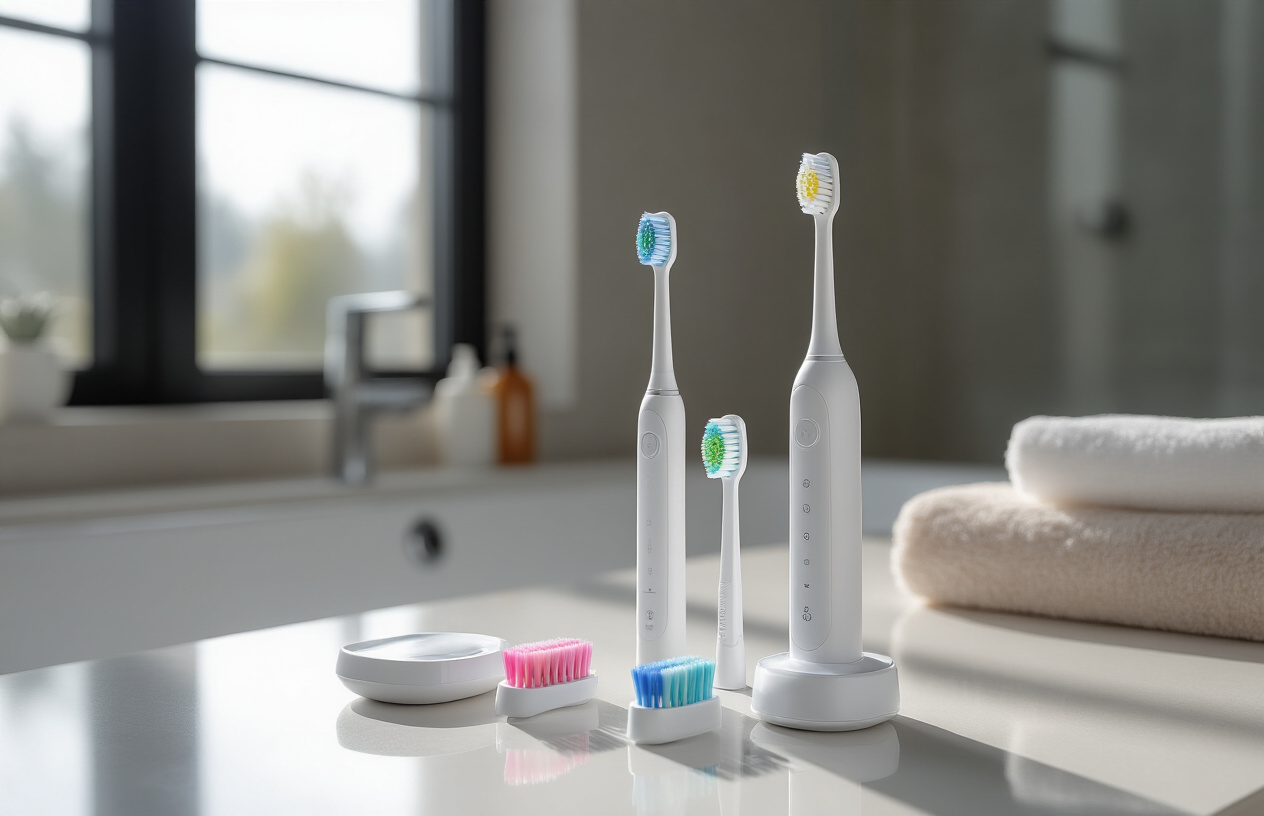
Brush heads should be changed every 3 months
Your electric toothbrush brush head works hard every day, and those bristles wear down faster than you might think. The standard three-month replacement schedule isn’t just a marketing ploy – it’s backed by dental research showing that bristle effectiveness drops significantly after 12 weeks of regular use.
Fresh bristles maintain their flexibility and cleaning angles, reaching into crevices between teeth and along the gumline. As bristles fray and bend, they lose their ability to remove plaque effectively, essentially turning your high-tech electric toothbrush into an expensive manual brush with less cleaning power.
Watch for visual cues that signal early replacement needs: bristles that flare outward, change color, or feel rough against your teeth. Heavy brushers or those with gum disease might need monthly replacements, while gentle users could stretch to four months. Keep track by writing replacement dates on your calendar or setting phone reminders.
Battery replacement indicators and lifespan expectations
Most modern electric toothbrushes feature built-in battery indicators that flash or change colors when power runs low. Pay attention to these signals – they’re your first warning that battery performance is declining. A fully charged toothbrush should run for at least two weeks of twice-daily brushing sessions.
Rechargeable batteries in electric toothbrushes typically last 2-3 years with proper maintenance. You’ll notice gradual changes: shorter run times between charges, weaker vibrations, or the brush dying mid-session. Some premium models offer battery replacement services, while others require complete unit replacement when the battery fails.
Temperature extremes damage batteries faster, so avoid leaving your electric toothbrush in hot cars or freezing bathrooms. Overcharging can also reduce battery life – unplug the charger once the indicator shows full charge rather than leaving it plugged in constantly.
Complete toothbrush unit replacement after 3-5 years
Even with proper maintenance, electric toothbrush motors and internal components wear out over time. Most quality electric toothbrushes deliver peak performance for three to five years, depending on usage frequency and care quality.
Signs your electric toothbrush needs complete replacement include: motor sounds becoming louder or grinding, vibration patterns feeling uneven, charging ports failing, or the unit randomly shutting off during use. Water damage from bathroom humidity can also accelerate internal component failure.
Consider your oral hygiene needs when planning replacements. Basic models might warrant replacement every three years, while premium toothbrushes with advanced features often justify keeping for the full five-year span. Factor replacement costs into your dental care budget – spreading the expense over several years makes high-quality electric toothbrush maintenance more affordable than dealing with dental problems from poor oral hygiene.
Factors That Accelerate Electric Toothbrush Wear
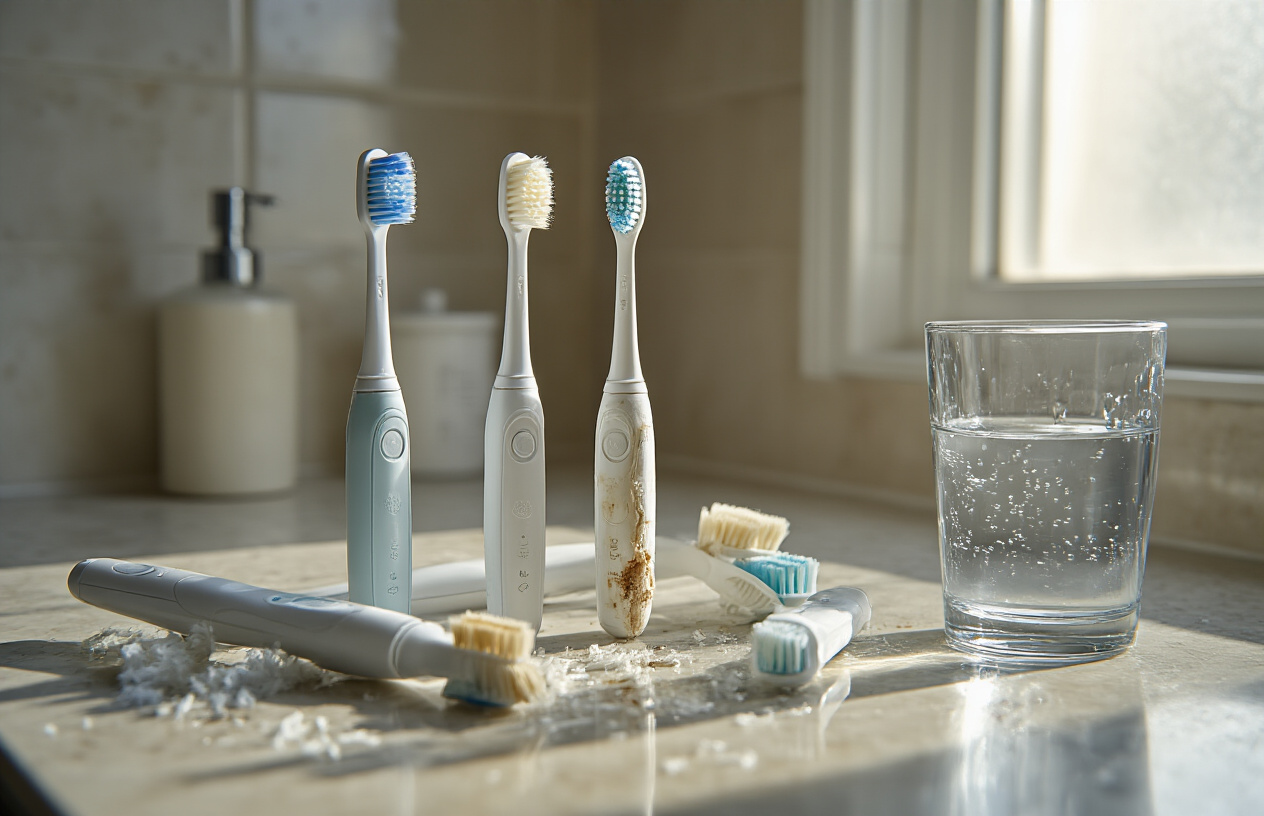
Aggressive brushing technique and excessive pressure
Your electric toothbrush isn’t designed to withstand heavy-handed brushing. When you press too hard or use aggressive back-and-forth motions, you’re not just wearing down your toothbrush bristles faster – you’re also stressing the internal motor and rotating mechanisms. Most electric toothbrushes come with pressure sensors that warn you when you’re applying too much force, but ignoring these alerts can dramatically shorten your device’s lifespan.
The optimal brushing pressure should feel gentle, letting the electric toothbrush do the work while you simply guide it along your teeth. Excessive pressure causes bristles to splay and lose their cleaning effectiveness within weeks instead of the standard three months. The motor also works harder to maintain its rotation speed, leading to premature burnout and reduced battery life.
Poor storage conditions and moisture exposure
Bathroom environments pose serious challenges for electric toothbrush maintenance. Constant humidity, temperature fluctuations, and direct water exposure can wreak havoc on electronic components. Storing your toothbrush in a closed medicine cabinet or leaving it on a wet counter creates the perfect breeding ground for bacteria and accelerates wear on sensitive parts.
Water can seep into charging ports and motor housings, causing corrosion and electrical failures. Steam from hot showers creates condensation that damages circuit boards over time. Smart storage means keeping your toothbrush in a ventilated area where it can air dry completely between uses. Consider a UV sanitizer or dedicated toothbrush holder that promotes airflow while protecting the device from bathroom moisture.
Frequency of daily usage patterns
Heavy users who brush three or more times daily put significantly more strain on their electric toothbrush compared to standard twice-daily brushers. Each brushing session runs the motor for 2-4 minutes, and multiple daily sessions can accumulate substantial operating hours quickly.
Families sharing one toothbrush head (not recommended for hygiene reasons) or individuals with specific dental conditions requiring extended brushing sessions should expect more frequent replacements. The motor bearings, battery cells, and charging contacts all experience accelerated wear with increased usage frequency.
Quality differences between premium and budget models
Budget electric toothbrushes often use cheaper materials and less robust engineering, making them more susceptible to premature failure. Lower-quality motors may struggle with consistent power delivery, while cheaper plastic components can crack or wear down faster under normal use.
Premium models typically feature:
- Better sealed housings that resist moisture
- Higher-grade batteries with longer charge cycles
- More durable motor assemblies
- Superior bristle materials that maintain shape longer
| Component | Budget Models | Premium Models |
|---|---|---|
| Motor lifespan | 6-12 months | 2-5 years |
| Battery cycles | 100-300 | 500-1000+ |
| Water resistance | Basic splashing | Full submersion rated |
| Warranty coverage | 30-90 days | 1-3 years |
The initial investment in a quality electric toothbrush often pays off through extended component life and better oral hygiene results.
Health Risks of Using Worn-Out Electric Toothbrushes
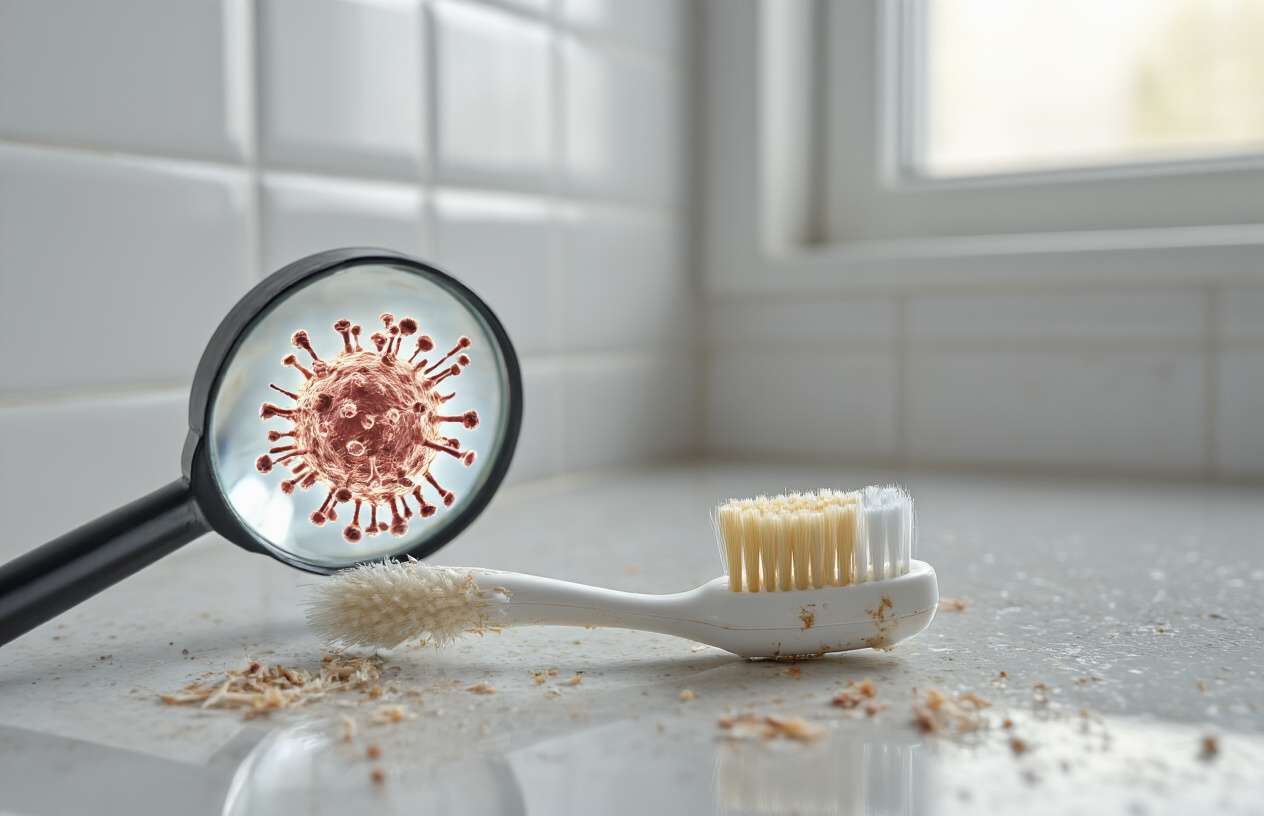
Reduced plaque removal and compromised oral hygiene
When your electric toothbrush starts showing signs of wear, its plaque-fighting power takes a serious hit. Old brush heads with frayed or bent bristles can’t reach into the tiny spaces between your teeth and along the gumline where harmful bacteria love to hide. The result? Plaque builds up faster than your worn-out toothbrush can remove it.
Think of it like trying to sweep your floor with a broom that’s missing half its bristles. You might go through all the motions, but you’re not actually getting things clean. The same thing happens with an aging electric toothbrush – the vibrations and movements are still there, but the cleaning effectiveness drops dramatically.
Research shows that worn brush heads remove up to 30% less plaque compared to fresh ones. This compromised oral hygiene creates the perfect environment for tooth decay and gum disease to develop. Your daily dental care routine becomes less effective, even though you’re putting in the same effort and time.
Bacterial buildup on old brush heads
Your toothbrush head becomes a breeding ground for bacteria after just a few months of regular use. The bristles trap food particles, dead skin cells, and bacteria from your mouth, creating a moist environment where germs multiply rapidly. Even thorough rinsing after each use can’t eliminate all the microscopic debris that gets lodged deep within the bristle structure.
Over time, this bacterial colony grows stronger and more diverse. Studies have identified over 100 million bacteria living on toothbrush heads that haven’t been replaced for three months or longer. These include potentially harmful strains like Streptococcus and Staphylococcus, which can cause oral infections and bad breath.
The problem gets worse if you’ve been sick recently. Viruses and bacteria from illnesses can survive on your toothbrush for days or even weeks, potentially reinfecting you or spreading to family members who might accidentally use your toothbrush. This bacterial buildup essentially means you’re putting a contaminated cleaning tool in your mouth twice daily.
Potential gum irritation from damaged bristles
Damaged bristles on an old electric toothbrush can actually harm your gums instead of helping them stay healthy. When bristles become frayed, bent, or hardened, they lose their gentle cleaning action and become abrasive. These rough edges can scratch and irritate your delicate gum tissue, leading to bleeding, swelling, and sensitivity.
The precision-engineered bristle design that makes electric toothbrushes so effective gets completely compromised as the bristles wear down. What once provided gentle yet thorough cleaning now creates microscopic cuts in your gum tissue. These tiny wounds become entry points for bacteria, potentially leading to gum infections or making existing gum disease worse.
People who continue using their electric toothbrush long past its replacement date often notice increased gum bleeding during brushing. They might think they need to brush more gently, but the real problem is the damaged bristles. Fresh bristles maintain their flexibility and rounded tips, which clean effectively without causing trauma to your gums. The maintenance of your electric toothbrush directly impacts your overall dental care quality and gum health.
Cost-Effective Strategies for Electric Toothbrush Maintenance
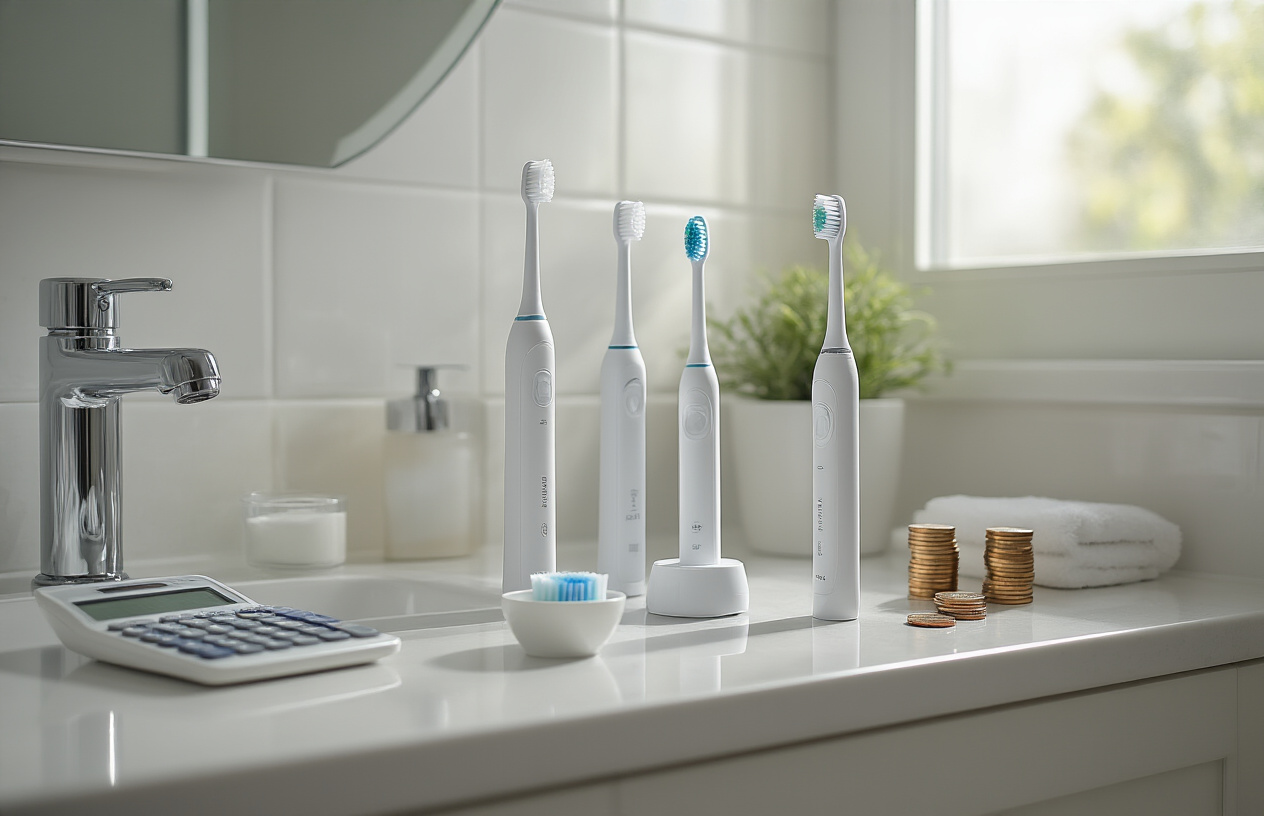
Bulk purchasing replacement brush heads for savings
Smart shoppers know that buying replacement brush heads in bulk can slash costs dramatically. Most electric toothbrush manufacturers offer multi-packs ranging from 4 to 16 brush heads, with per-unit prices dropping by 30-50% compared to individual purchases. Generic compatible brush heads often cost even less while maintaining quality performance.
Stock up during sales events like Black Friday or back-to-school promotions when prices hit rock bottom. Online retailers frequently offer subscription services with additional discounts of 10-15% for regular deliveries. Consider splitting bulk orders with family members or friends to maximize savings without overstocking.
Proper cleaning and storage techniques to extend lifespan
Your electric toothbrush maintenance routine directly impacts how long the device lasts. Rinse the brush head thoroughly after each use and remove it weekly for deeper cleaning. Soak removable heads in antibacterial mouthwash or hydrogen peroxide solution to eliminate bacteria buildup.
Keep the charging base clean and dry, wiping away toothpaste residue that can interfere with electrical connections. Store your electric toothbrush upright in a ventilated area rather than enclosed medicine cabinets where moisture accumulates. Avoid extreme temperatures and direct sunlight, which can damage battery life and plastic components.
Remove the brush head during extended storage periods to prevent motor strain. Clean the metal connection points monthly with a dry cloth to maintain proper electrical contact.
Warranty considerations and manufacturer recommendations
Most electric toothbrush warranties cover manufacturing defects for 2-3 years but exclude normal wear items like brush heads and batteries. Register your device immediately after purchase to activate warranty protection and receive maintenance reminders.
Major brands like Oral-B and Philips Sonicare provide detailed maintenance schedules through their apps or websites. Following these manufacturer recommendations often extends device life beyond warranty periods. Some companies offer extended warranty plans or replacement programs for loyal customers.
Document any issues early and contact customer service promptly. Many manufacturers replace faulty units even slightly outside warranty periods for customer satisfaction.
When to invest in a new model versus replacing parts
Battery replacement costs often approach 60-70% of a new electric toothbrush price, making upgrades more economical than repairs. When your device requires charging daily instead of weekly, replacement usually makes financial sense.
Consider upgrading if your current model lacks features you now want, like pressure sensors, multiple cleaning modes, or smartphone connectivity. Newer models typically offer improved battery technology, better brush head designs, and enhanced cleaning effectiveness.
Replace rather than repair if the motor sounds rough, the device vibrates excessively, or charging becomes unreliable. These symptoms indicate internal wear that affects oral hygiene effectiveness and may worsen rapidly.
Your electric toothbrush works hard every day to keep your teeth clean, but like any tool, it won’t last forever. The key signs to watch for include worn bristles, decreased battery life, and any unusual sounds or vibrations. Most dentists recommend replacing brush heads every three months and the entire unit every three to five years, though heavy use, hard water, or frequent drops can shorten this timeline significantly.
Don’t wait until your toothbrush completely stops working to make a change. Using a worn-out electric toothbrush can actually harm your oral health by harboring bacteria and failing to remove plaque effectively. Set a reminder on your phone to check your toothbrush monthly, buy replacement heads in bulk to save money, and treat your electric toothbrush with care to get the most value from your investment. Your teeth and wallet will thank you for staying on top of these simple maintenance habits.